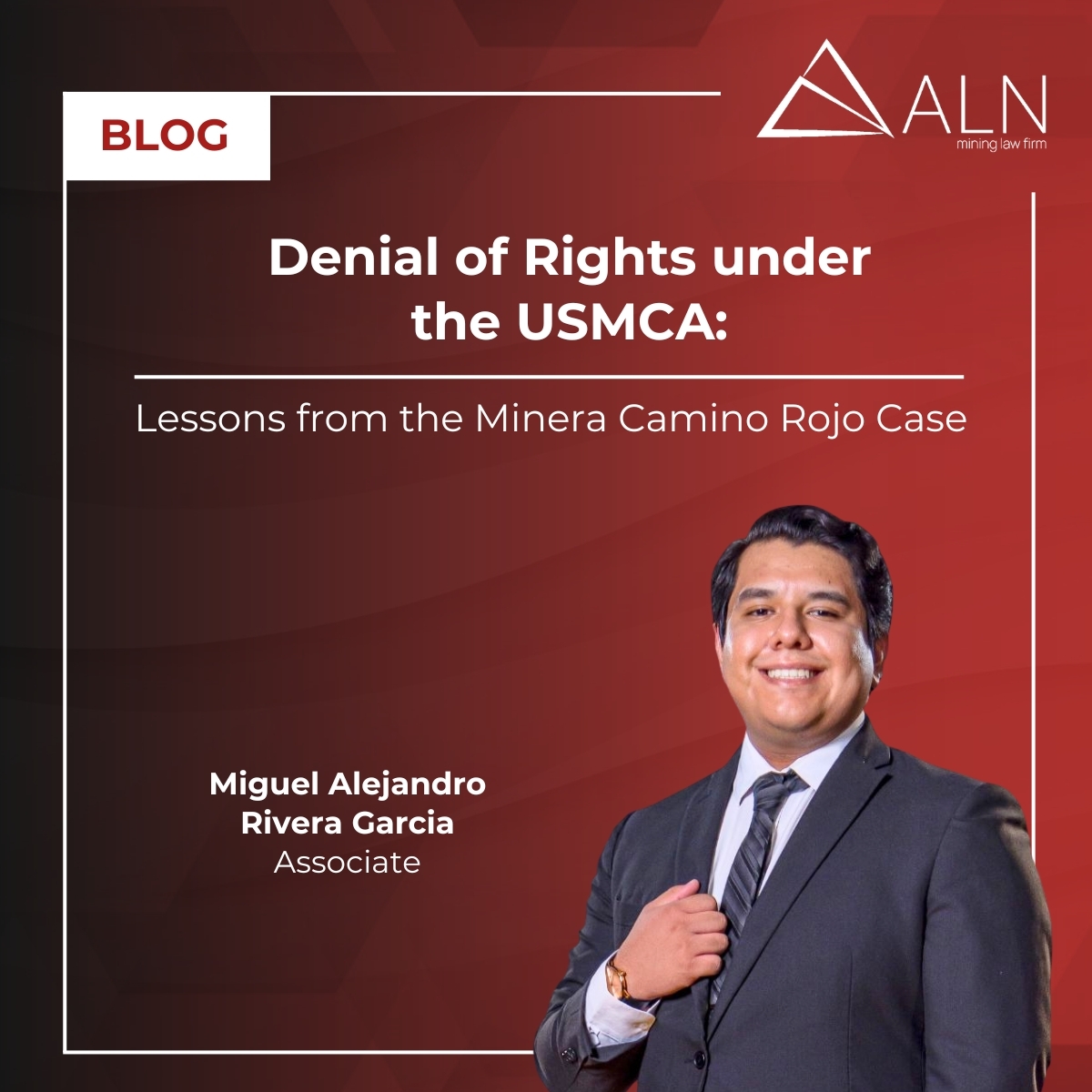
On March 26, 2026, Mexican and U.S. authorities released the final determination issued by the Rapid Response Labor Mechanism (RRM) panel in the Minera Camino Rojo case (MEX-USA-2024-31A-02). In 2024, the United States triggered the mechanism after determining that a denial of the rights to freedom of association and collective bargaining was occurring at the mine located in Zacatecas and operated by Orla Mining Ltd.
The allegations presented by the U.S. Department of Labor included:
- Employer interference in union organization
- Favoring a union other than the originally recognized bargaining representative
- Pressure, threats, and alleged acts of violence against workers
- Distortion of the collective bargaining agreement voting process.
What is the RRM?
The Rapid Response Labor Mechanism (RRM), set forth in Annex 31-A of the USMCA, is a tool that allows the United States or Canada to challenge labor rights violations at specific facilities located in Mexico.
Its key features include:
- Applicability to facilities producing goods traded between the Parties
- The establishment of independent panels
- The possibility of direct trade-related remedies
Panel Considerations
- Jurisdiction
The Panel determined that Minera Camino Rojo qualifies as a “covered facility,” as it produces gold that forms part of trade between Mexico and the United States.
Accordingly, it is sufficient to demonstrate that the goods produced are integrated into the trade flow between the Parties, without the need for strict traceability of production.
- Existence of a Denial of Rights
While Mexico argued that a “denial” requires a total deprivation or prohibition of the relevant rights, the Panel rejected this interpretation and concluded that a denial of rights had occurred, based on:
- Employer interference in union dynamics
- Pressure and coercion exerted on workers
- The creation of an environment adverse to the free exercise of labor rights
- The insufficiency of remedial measures adopted
Furthermore, the Panel held that acts of intimidation or violence may be relevant to the labor analysis insofar as they affect freedom of association, even where such conduct may also constitute criminal offenses.
Effects and Impact on the Mining Industry
The Panel’s determination gives rise to several legal consequences:
- The obligation to remedy the denial of rights
- The implementation of effective and verifiable corrective measures
- The possibility of trade sanctions in the event of non-compliance
This criterion reshapes the regulatory landscape of the mining sector: it increases international scrutiny, introduces tangible trade risks, and raises the standard of compliance, requiring not only effective union neutrality and proactive prevention of interference, but also accountability for the labor environment that companies create or tolerate.
Miguel Alejandro Rivera García
Associate